
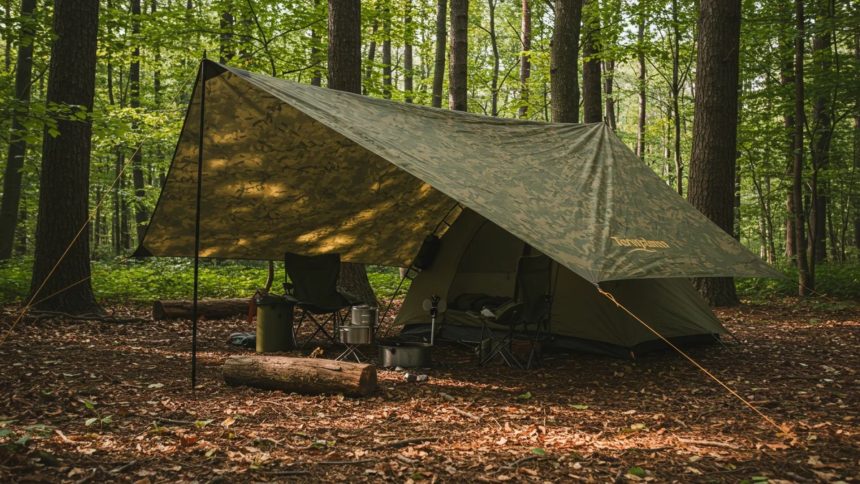
When you hear the word tarnplanen, you might picture military gear or outdoor adventures—but there’s much more to it than that. Whether you’re covering equipment, protecting your car, or preparing for an outdoor trip, these versatile sheets play a surprisingly important role in daily life.
So, what exactly are they, and why should you care? Let’s explore everything you need to know in a simple, engaging way.
What Is Tarnplanen?
At its core, tarnplanen refers to camouflage tarpaulins or protective covers designed to shield objects from weather, dust, and visibility. The word comes from German roots—“tarn” meaning camouflage and “planen” referring to tarps or sheets.
Think of it like a portable shield. Just as you’d use an umbrella to protect yourself from rain, a tarp protects your belongings from the elements—and sometimes even from being seen.
The History Behind Tarnplanen
Military Origins
Tarnplanen were originally developed for military purposes. Soldiers needed a way to hide equipment, vehicles, and camps from enemies. Camouflage patterns helped blend objects into natural surroundings like forests or deserts.
Transition to Civilian Use
Over time, civilians realized how useful these covers could be. Farmers, campers, construction workers, and homeowners started using them for everyday protection. Today, they’re everywhere—from backyards to building sites.
Common Materials Used
Polyethylene (PE)
Lightweight, waterproof, and affordable. Ideal for temporary use.
Canvas
Heavier but more durable. Perfect for long-term outdoor applications.
PVC (Polyvinyl Chloride)
Strong, flexible, and resistant to harsh weather. Often used for industrial purposes.
Each material serves a different purpose. Choosing the right one depends on how and where you plan to use it.
Key Features That Make Tarnplanen Useful
Water Resistance
Rain can ruin equipment quickly. These covers act as a barrier, keeping everything dry.
UV Protection
Sunlight can fade and damage surfaces. A tarp blocks harmful rays, extending the life of your items.
Durability
Most tarnplanen are designed to withstand wear and tear, making them reliable for tough conditions.
Camouflage Design
Some versions blend into natural surroundings—useful for hunting, camping, or privacy.
Everyday Uses of Tarnplanen
Outdoor Protection
Got furniture in your backyard? A tarp can protect it from rain and dust. It’s like giving your belongings a raincoat.
Camping and Hiking
Need a quick shelter? Tarnplanen can be turned into tents, ground covers, or windbreaks. Lightweight options are easy to carry in a backpack.
Construction Sites
Workers use them to cover materials like wood, cement, and tools. This prevents damage and keeps projects on track.
Vehicle Covers
Cars, motorcycles, and boats benefit from protective covers, especially when parked outdoors.
Tarnplanen in Agriculture
Farmers rely heavily on these covers. They’re used to:
- Protect crops from harsh weather
- Cover hay and feed
- Shield machinery from rain and sun
Without them, exposure could lead to significant losses. In this way, tarnplanen act like a farmer’s silent partner.
Choosing the Right Tarnplanen
Size Matters
Always measure what you want to cover. A tarp that’s too small won’t provide full protection, while one that’s too large may be hard to manage.
Material Selection
Ask yourself:
- Is this for short-term or long-term use?
- Will it face heavy rain or strong sunlight?
Your answers will guide your choice.
Thickness and Strength
Thicker tarps last longer but are heavier. Balance durability with convenience.
Tips for Proper Usage
Secure It Properly
Use ropes, hooks, or bungee cords to keep the tarp in place. Loose covers can flap in the wind and cause damage.
Avoid Water Pooling
Make sure the tarp is angled so water can run off. Standing water can weaken the material over time.
Clean Regularly
Dirt and debris can wear down the surface. A quick rinse every now and then helps maintain quality.
Maintenance and Storage
Dry Before Storing
Never store a wet tarp—it can develop mold and odors.
Fold Carefully
Neatly folding your tarp prevents creases and damage.
Store in a Cool Place
Avoid extreme heat or direct sunlight when storing, as this can weaken the material.
Environmental Considerations
Many modern tarnplanen are designed with sustainability in mind. Some are recyclable, while others are made from eco-friendly materials.
Still, it’s important to use them responsibly. Instead of discarding old tarps, consider reusing them for smaller tasks or repairs.
Advantages and Limitations
Advantages
- Affordable
- Versatile
- Easy to use
- Durable
Limitations
- Some materials degrade over time
- Heavy-duty options can be bulky
- Improper use may lead to damage
Understanding both sides helps you make better decisions.
The Future of Tarnplanen
Innovation is changing even simple tools like tarps. New designs include:
- Reinforced edges for extra strength
- Lightweight yet durable fabrics
- Improved waterproof coatings
As technology evolves, these covers will only become more efficient and user-friendly.
Conclusion
Tarnplanen may seem like a simple product, but their impact is anything but small. From protecting valuable equipment to providing shelter in the wild, they serve countless purposes in everyday life.
Think of them as a quiet guardian—always there, doing its job without much attention. Whether you’re a homeowner, farmer, or adventurer, having the right tarp can make a world of difference.
So next time you see one, remember—it’s not just a sheet of material. It’s a practical solution to many everyday challenges.
FAQs
1. What does “tarnplanen” mean?
It refers to camouflage tarps or protective covers used to shield items from weather and visibility.
2. Are tarnplanen waterproof?
Most are designed to be water-resistant or fully waterproof, depending on the material.
3. Can I use tarnplanen for camping?
Yes, they are commonly used for shelters, ground covers, and protection during outdoor trips.
4. How do I choose the right tarp size?
Measure the area or object you want to cover and choose a slightly larger size for full protection.
5. How long do tarnplanen last?
Their lifespan depends on material quality and usage, but with proper care, they can last for years.